Prospero Jr Paragsa from the Philippines
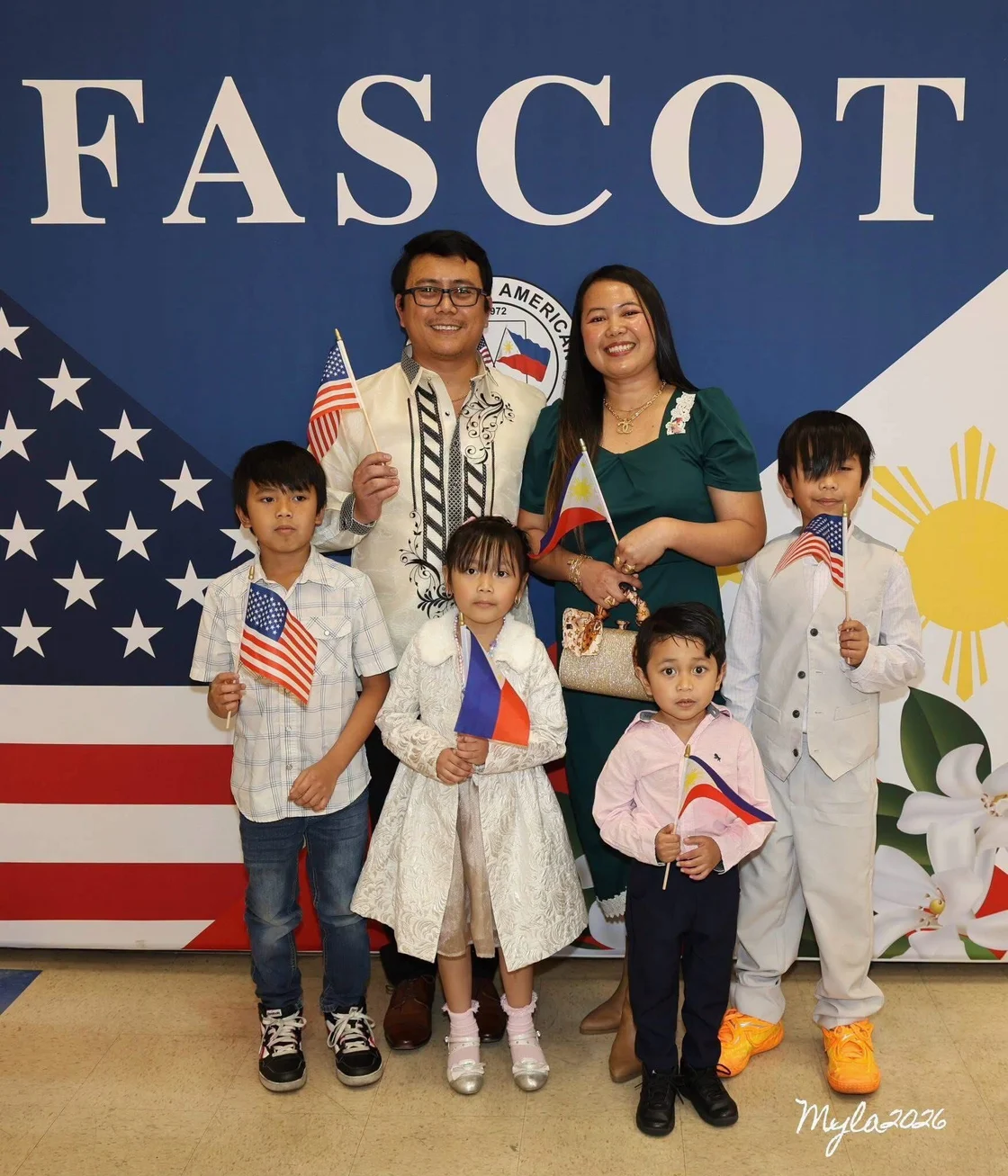
Meet Prospero Jr Paragsa from the Philippines
What has been your most memorable cultural experience so far?
My most memorable cultural experience in the United States has been facilitating a dynamic cultural exchange between my students in Tucson and learners from my home country, the Philippines. Drawing from my experience as a public-school teacher and journalism adviser in the Philippines, I designed an interactive learning experience centered on Filipino customs and traditions such as pagmamano (a gesture of respect for elders), bayanihan (community cooperation), and the deeply rooted value of honoring family and elders.
What made this experience truly unforgettable was witnessing cultural pride and curiosity unfold simultaneously. My U.S. students engaged with sincere interest, asking thoughtful questions and making meaningful connections to their own traditions. Meanwhile, my Filipino students confidently presented their heritage with dignity and pride. The exchange became more than an academic activity—it became a living demonstration of global citizenship.
As an educator committed to literacy, values education, and intercultural dialogue, this experience reaffirmed my belief that classrooms are powerful spaces where empathy is cultivated and bridges between cultures are built.
What has been your favorite part about living in the US?
My favorite part about living in the United States has been immersing myself in a school culture that genuinely values diversity, inclusion, and professional collaboration. As a 5th Grade Teacher – Roberts Naylor K8, Tucson Unified School District, I have felt respected not only for my professional expertise but also for my cultural identity.
The openness of my colleagues and administrators has empowered me to integrate Filipino perspectives into my instruction through literature, storytelling, and cross-cultural projects. At the same time, I have gained valuable insights into American educational practices, particularly in differentiated instruction, student-centered learning, and data-informed decision-making.
Coming from the Philippine public-school system, where large class sizes and limited resources are common, I deeply appreciate the structured support systems, ongoing professional development opportunities, and emphasis on student voice found in U.S. schools. Living in the U.S. has broadened my educational philosophy, strengthened my instructional practices, and deepened my commitment to becoming a globally responsive educator who bridges best practices across nations.
What has been the most challenging?
The most challenging aspect of my journey has been adapting to a new educational system while navigating cultural and instructional differences. Transitioning from Philippine public schools to an American classroom required intentional recalibration—particularly in classroom management approaches, assessment frameworks, and communication with families.
Understanding cultural nuances—such as fostering student independence, navigating parent-school partnerships, and aligning with varied educational expectations—required reflection and adaptability. However, my prior experience teaching multi-grade levels, managing large and diverse classrooms, and conducting action research prepared me to approach these challenges with resilience and professionalism.
Rather than viewing these differences as obstacles, I embraced them as opportunities for growth. The experience strengthened my instructional flexibility, deepened my cultural competence, and refined my ability to serve diverse learners with empathy and responsiveness.
Do you have tips for your fellow J-1 teachers?
To my fellow J-1 teachers, my strongest advice is to remain open-minded, reflective, and confident in your professional identity. The J-1 program is not simply a teaching assignment—it is a cultural diplomacy opportunity.
Be proactive. Ask questions, seek mentorship, observe veteran teachers, and collaborate intentionally. At the same time, do not underestimate the value of your own educational background. Your experiences, perspectives, and cultural traditions are assets that enrich the school community.
View challenges as growth moments rather than barriers. Adaptation takes time, but resilience and collaboration make the transition smoother. Most importantly, remember that your role extends beyond delivering curriculum—you are ambassadors of cultural understanding, contributing to global awareness and mutual respect within your classrooms and communities.
What has been your students’ favorite cultural exchange activity so far?
My students’ favorite cultural exchange activity has been the “Teaching and Sharing Filipino Customs and Traditions” project, which included live virtual discussions with students from the Philippines. They were especially fascinated by learning about pagmamano, the communal spirit of bayanihan, and the strong emphasis Filipinos place on family unity and respect for elders.
Through storytelling, short cultural videos, and real-time dialogue, students engaged in authentic cross-cultural learning. They eagerly compared traditions, identified shared values, and asked insightful questions that reflected genuine curiosity and empathy.
The activity did more than teach cultural facts—it cultivated understanding. Students discovered that despite geographical distance, many core values overlap. The experience sparked respectful dialogue, increased cultural awareness, and reinforced the idea that culture is not merely studied—it is lived, honored, and celebrated together.
More News & Stories
Stay up to date with our Intrax Education most recent blog posts.
Parent-Teacher Conferences with Ma. Gerlene B. Gomez
Cherrie Ann Santos from the Philippines
Celebrating our Teachers' Achievements
Chris Handerson Ramos

Sandra Vanessa Hernandez Ventura

J-1 Teacher vs. H-1B: A Guide for International Educators
Sasakaya Whinfield

Glenn Gealon

J-1 Teacher: How to Teach in the USA [Visa, Resources]
Santa Polanco Saturria de Garcia
Rona Aguila
Wilmer Granados


Petra Noelke Young
Alexander Agoylo

Mileydin Loaisiga Herrera

Mylin Marinog

Peter Njofu Namasaka

Garcia Forbes Davis
Minard Abenojar

Dante Caseldo, Alma Guevarra, Annabelle Sison, Alona Galgo, and Romel Gatila
Mary Rose Saycon
Cristine Legaspi
Rockhem Jade Raclip

Daniel Ferry
Michaella Banate

Are-Pee M. Castalon
Acer Ann Pitas
Excell Daguinotan
Chablefac Forchap

Hjayella Mandrique
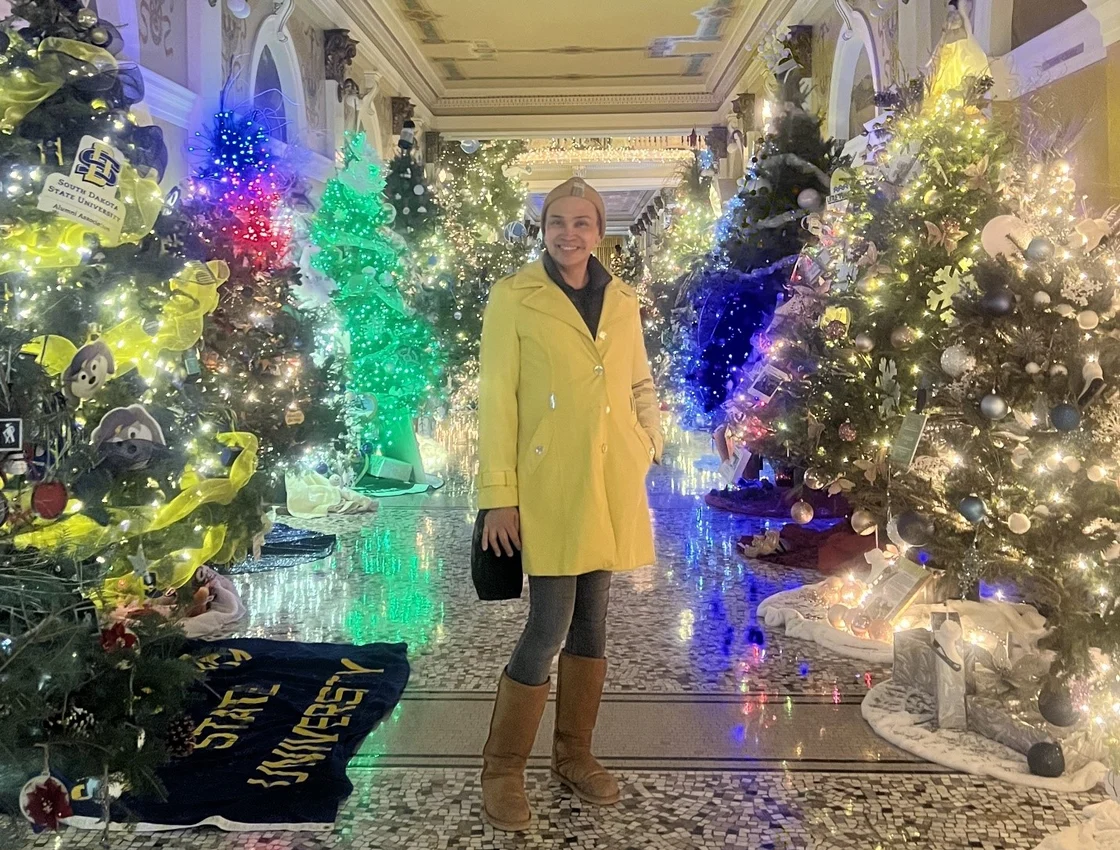
James Padilla
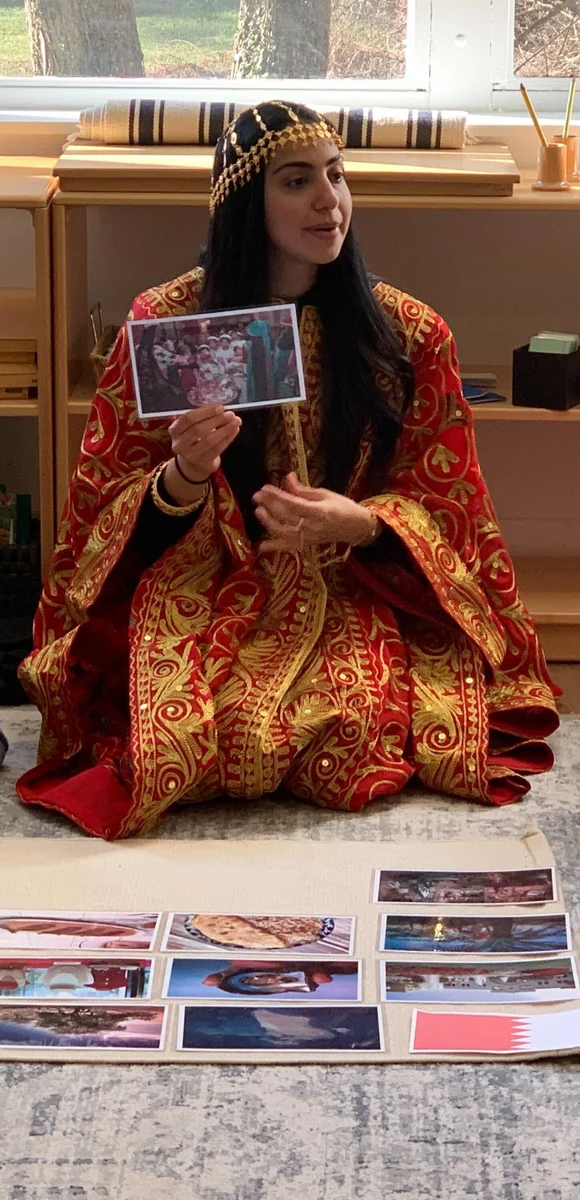
Maryam Farooq Abdulla
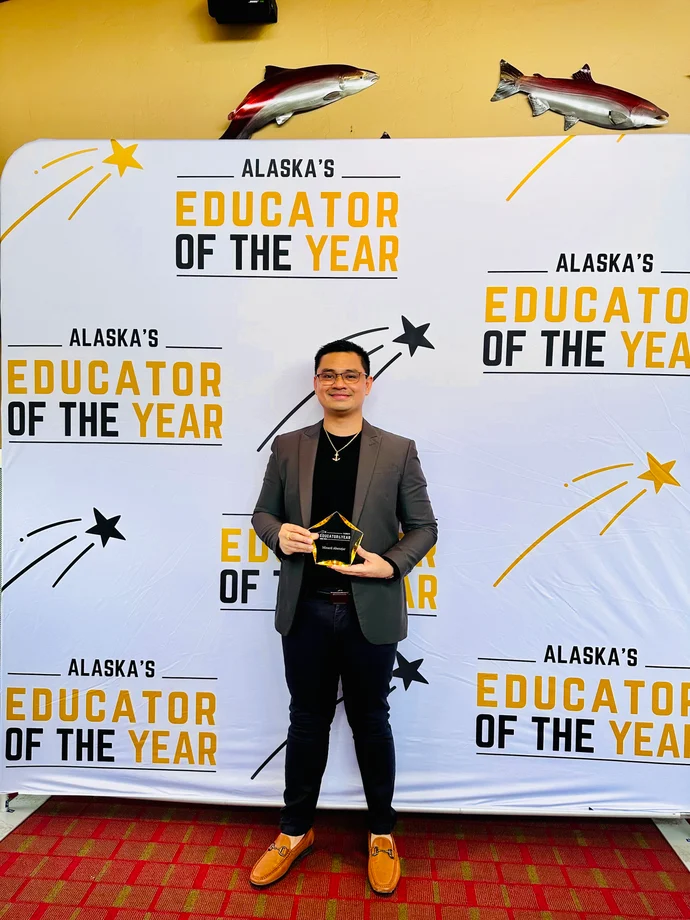
2024 Educator of the Year award recipient: Congratulations to Minard Abenojar!
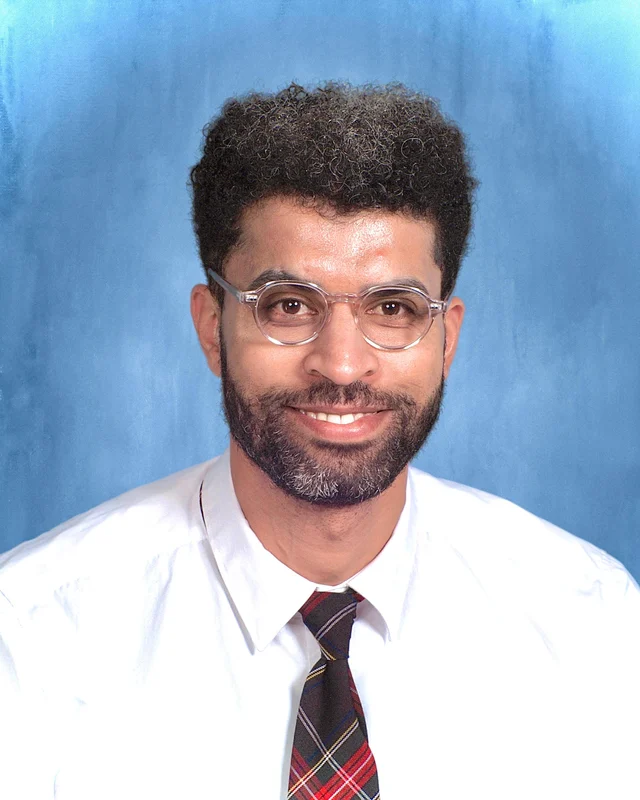

Firstcoast News Teacher of the Week: Jumar Birao
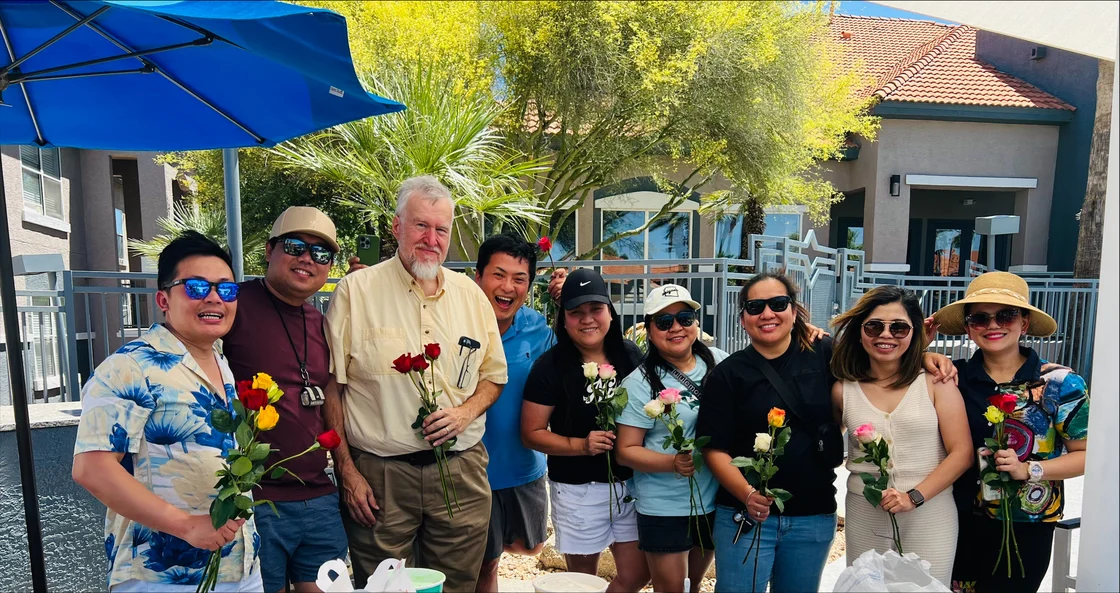
Cristine Legaspi and her co-J1 teachers
Francisca Brisso Munoz